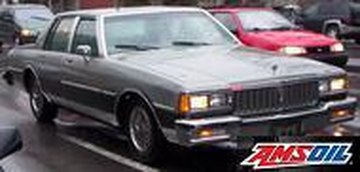
Maintaining Lubrication Standards for the 1982 Pontiac PARISIENNE 5.0L
Proper engine maintenance is a cornerstone of long-term vehicle health, particularly for an engine like the 5.0L found in the 1982 Pontiac PARISIENNE. While many modern automotive concerns focus on complex electronics, the fundamental mechanical requirements of this era remain centered on effective lubrication and consistent inspection. Maintaining the integrity of the lubrication system helps manage friction and protects internal components from unnecessary wear over time.Monitoring Fluid Integrity and Potential Seepage
A proactive approach to maintenance involves regular visual inspections of the engine bay. For a vehicle of this age, observing the condition of various seals and gaskets is a practical way to monitor for potential issues. Rather than assuming specific components will fail, owners should look for any signs of fluid seepage or active leaks around sealing surfaces. When performing routine checks, it is useful to examine the area surrounding the engine block and the underside of the vehicle. Any evidence of wetness or residue on the engine exterior can indicate that a gasket or seal may be losing its ability to contain fluids effectively. Furthermore, checking the appearance of the oil itself during service can provide insight into the engine's internal environment. If the lubricant appears excessively dark, gritty, or contains visible contaminants, it may warrant an earlier change than originally planned.Observing Changes in Engine Operation
While many mechanical issues are visible, some indicators of lubrication or cooling concerns manifest through changes in how the vehicle operates. It is important to recognize that various symptoms can have multiple underlying causes, and a single observation should not be used to diagnose a specific part without further investigation. For instance, if you notice an unusual odor during operation, it may indicate that fluid is contacting a hot surface. Similarly, any unexpected mechanical noises or changes in the smoothness of engine operation should be investigated promptly. If the vehicle displays warning indicators on the dashboard related to oil levels or pressure, this requires immediate attention to prevent potential damage. Monitoring for any changes in exhaust characteristics or signs of overheating can also serve as an early warning system for broader maintenance needs.Prioritizing Maintenance Based on Current Condition
As vehicles age, the most effective way to manage upkeep is to prioritize tasks based on the actual, observed condition of the machine rather than relying solely on chronological age. For a 1982 Pontiac PARISIENNE, this means establishing a maintenance baseline if a complete service history is not available. If you are beginning ownership without detailed records, your first priority should be to verify the current state of all essential fluids and wear items. This includes:- Verifying the cleanliness and level of engine oil.
- Inspecting the condition of accessible belts, if equipped, for signs of cracking or fraying.
- Checking the integrity of various hoses, if present, for softness or leaks.
- Examining electrical connections and wiring for signs of corrosion or wear.
The Role of Consistent Lubrication Management
Effective lubrication serves several vital roles within an engine. Beyond simply reducing friction between moving parts, the oil acts as a medium for heat management by carrying thermal energy away from high-temperature zones. It also helps to suspend and carry away small particles that could otherwise cause abrasive wear if allowed to settle. Maintaining a consistent schedule of inspection and fluid replacement ensures that these protective qualities are not compromised. Over time, lubricants can undergo chemical changes due to heat and exposure to combustion byproducts, which may lead to the formation of deposits or sludge. Regular service helps mitigate these effects, ensuring the engine remains clean and well-protected against the buildup of contaminants.Establishing a Reliable Service History
For long-term owners, keeping detailed records of all completed maintenance is an invaluable practice. Documenting every oil change, filter replacement, and mechanical repair provides a clear picture of the vehicle's health. This history is particularly useful when:- Attempting to diagnose new or intermittent issues by comparing them to past performance.
- Determining if certain components are reaching the end of their service life based on documented usage.
- Maintaining the resale value of the vehicle through proof of consistent care.
Practical Guidance for Buying Engine Oil for your 1982 Pontiac PARISIENNE 5.0L
When it is time to replenish your engine's lubricant, the most important step is to ensure the product matches the specific requirements of your application. Because different engines have unique needs regarding fluid properties and protection levels, you should not rely on general automotive knowledge or assumptions based on the vehicle's age. To select the correct product, match the engine oil to the application-specific viscosity information already displayed on this webpage. When shopping, always check the product labeling to confirm that the oil meets the appropriate quality standards and certifications. Depending on your specific maintenance goals and the current condition of your engine, you may encounter various formulations:- Conventional Oils: Standard lubricants used for many years in traditional engine designs.
- Synthetic Blends: A combination of conventional and synthetic oils designed to offer different performance characteristics.
- Full Synthetic Oils: Highly engineered lubricants that often provide enhanced thermal stability and resistance to oxidation.
- High-Mileage Formulations: Some formulations contain additives intended for use in aging engines, including seal-conditioning additives.